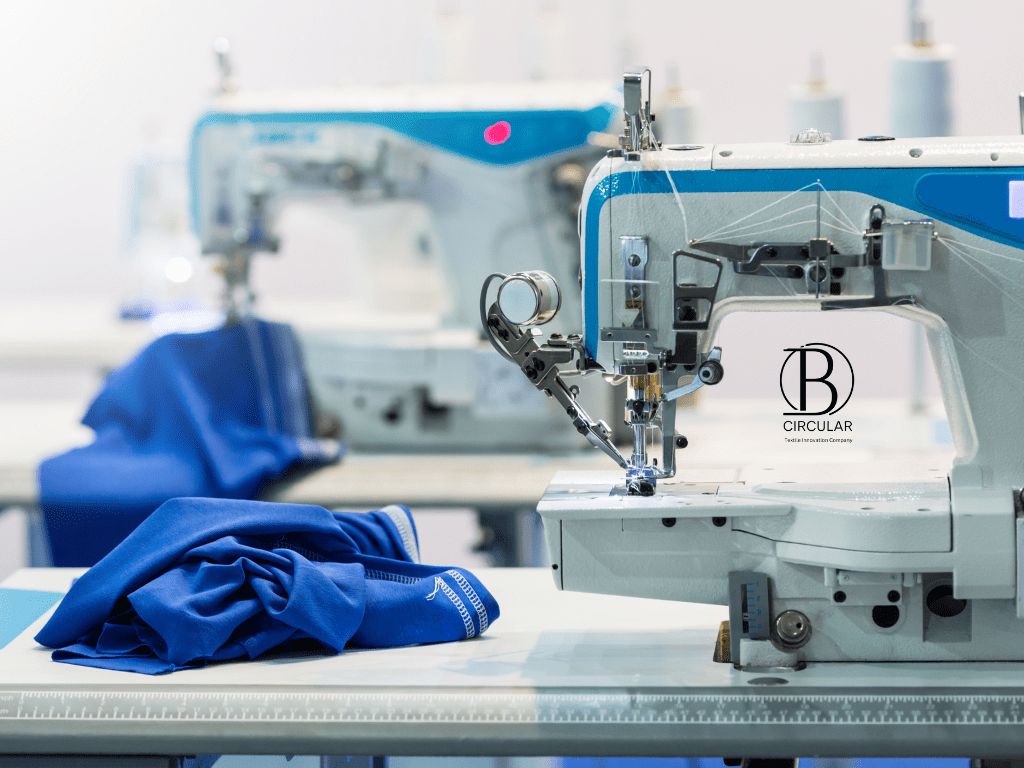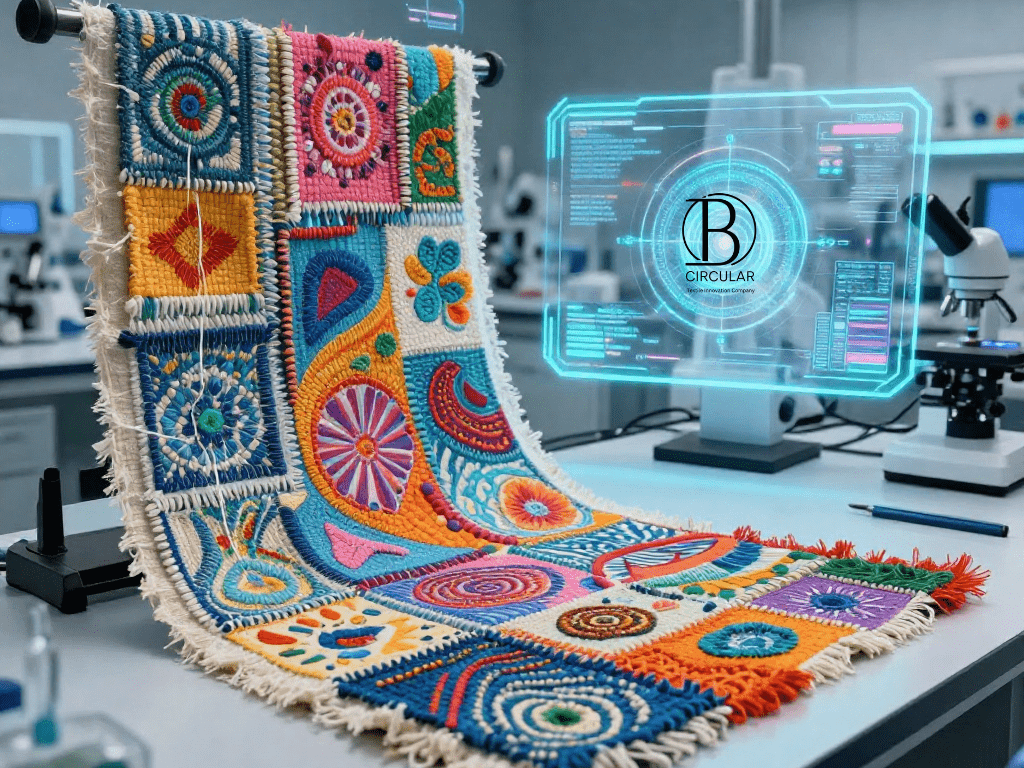
textile innovation research & development is transforming how fabrics are designed, tested, and produced. Today, businesses are moving away from traditional methods and exploring smarter ways to create high-performance materials. This shift is helping improve durability, comfort, and sustainability.
With textile innovation research & development, companies can respond faster to market needs. They can test new ideas, improve production speed, and reduce waste. This creates a more efficient and future-ready textile industry.
What makes textile innovation research & development important today?
textile innovation research & development helps create better materials and improve efficiency. It supports innovation while reducing environmental impact.
How does textile innovation research & development improve production?
It introduces smarter systems and improved processes. This helps reduce errors, save time, and produce higher-quality fabrics.
The Role of australian made clothing manufacturers in textile innovation research & development
australian made clothing manufacturers are key drivers of textile innovation research & development. They focus on quality, sustainability, and local production. This helps ensure that new textile solutions meet high standards.
By investing in better materials and advanced processes, australian made clothing manufacturers support ongoing innovation. They also promote ethical practices and build trust with consumers.
How do australian made clothing manufacturers support innovation?
australian made clothing manufacturers adopt new materials and production methods. This improves quality and encourages continuous development.
Why are australian made clothing manufacturers important in textile innovation research & development?
They focus on high standards and sustainability. This makes them essential in shaping modern textile innovation.
How responsible fibre solutions for fashion Are Driving Change
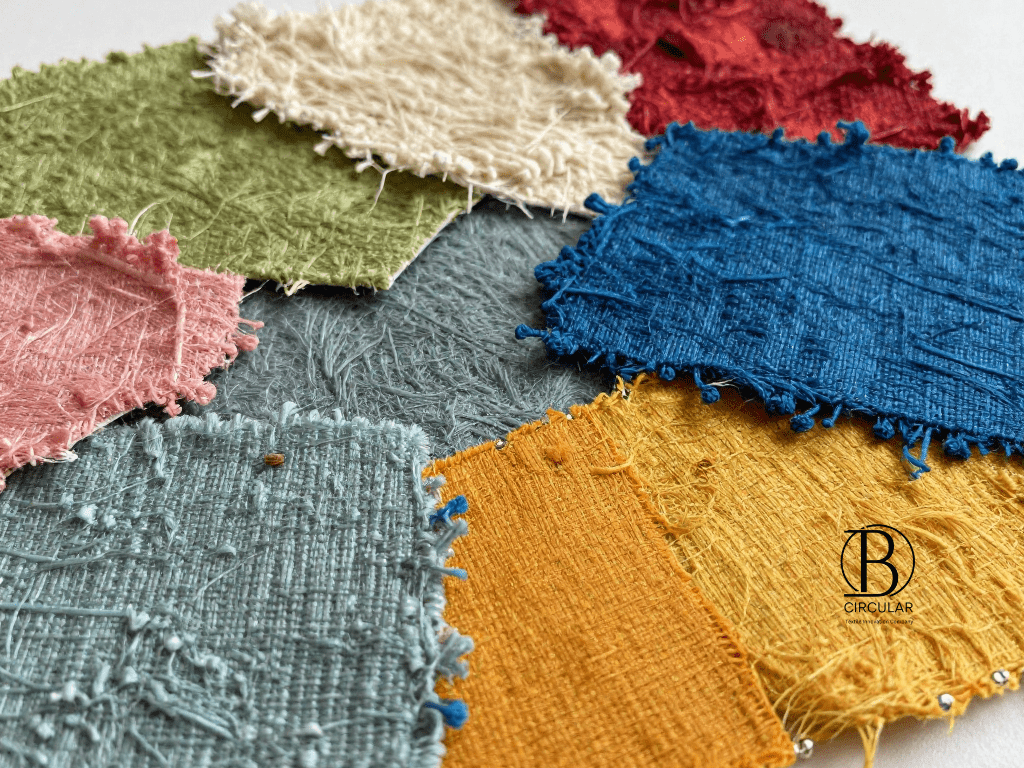
responsible fibre solutions for fashion are changing how materials are sourced and used. These solutions focus on reducing environmental impact while maintaining quality. They support cleaner production and more responsible use of resources.
As demand for sustainable fashion grows, responsible fibre solutions for fashion help businesses meet these expectations. They also support long-term improvements in the textile industry.
What are responsible fibre solutions for fashion?
They are materials and processes designed to reduce environmental harm. They focus on responsible sourcing and sustainable production.
How do responsible fibre solutions for fashion improve sustainability?
They reduce waste, lower resource use, and promote eco-friendly practices. This helps protect the environment.
Exploring hemp-based textiles Australia in textile innovation research & development
hemp-based textiles Australia are becoming a strong focus in textile innovation research & development. These textiles are known for their durability, strength, and natural properties. They are also highly sustainable compared to traditional materials.
With ongoing textile innovation research & development, hemp-based textiles Australia are being improved for wider use. This makes them suitable for both fashion and industrial applications.
What makes hemp-based textiles Australia a popular choice?
hemp-based textiles Australia are durable, breathable, and eco-friendly. They provide a strong and reliable material option.
How do hemp-based textiles Australia support sustainability?
They require fewer resources and produce less waste. This makes them ideal for sustainable textile production.
The Importance of recycled or responsible fibres for clothing manufacturers
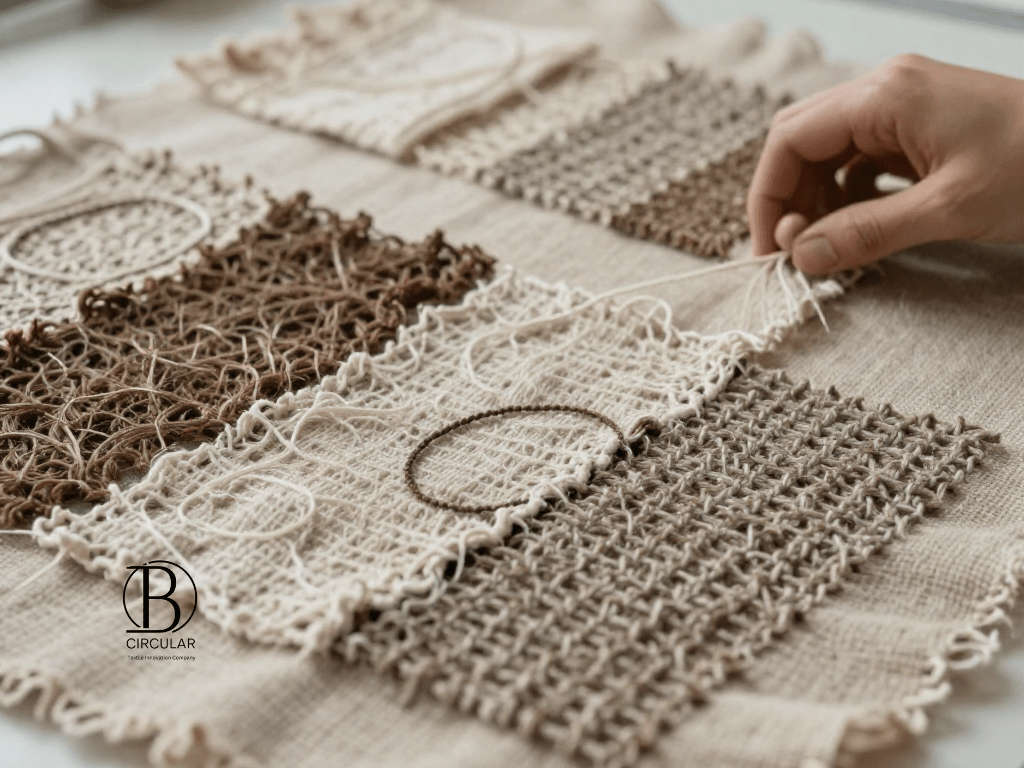
recycled or responsible fibres for clothing manufacturers are playing a major role in modern textile innovation research & development. These fibres help reduce waste by reusing materials and limiting the need for new resources.
By using recycled or responsible fibres for clothing manufacturers, businesses can create sustainable products without sacrificing quality. This also supports a circular approach to production.
Why are recycled or responsible fibres for clothing manufacturers important?
They reduce waste and promote sustainable production. This makes them essential for modern textile development.
How do recycled or responsible fibres for clothing manufacturers improve production?
They lower material costs and reduce environmental impact. This leads to more efficient and responsible manufacturing.
How Technology Is Advancing textile innovation research & development
Technology is a key driver of textile innovation research & development. Modern tools like automation, digital design, and smart systems are improving how textiles are created and tested. These tools allow faster development and better results.
With advanced technology, businesses can experiment with new materials and improve production methods. This helps them stay competitive in a fast-changing market.
What technologies are used in textile innovation research & development?
Automation, digital modelling, and smart systems are widely used. They help improve design, testing, and production processes.
How do these technologies improve textile innovation research & development?
They increase efficiency, reduce errors, and improve product quality. This results in stronger and more reliable textiles.
Combining Innovation and Sustainability in textile innovation research & development
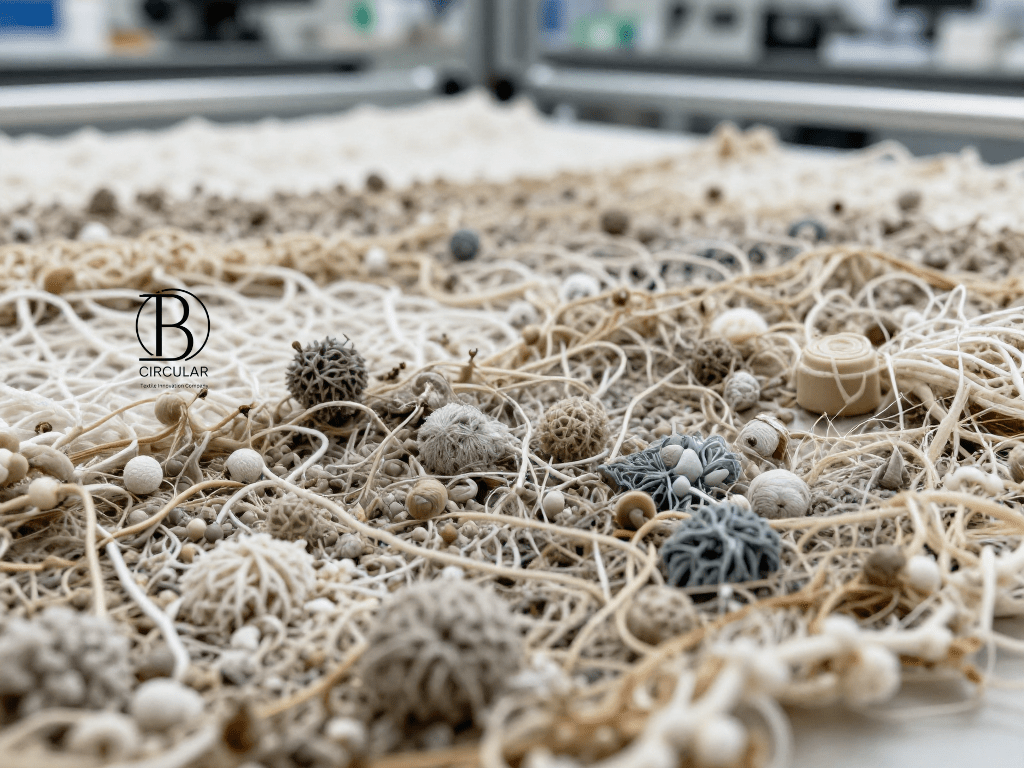
textile innovation research & development is not only about new ideas. It also focuses on sustainability and long-term impact. Businesses are now working to balance innovation with responsible practices.
By combining innovation and sustainability, companies can create better products while protecting the environment. This approach supports long-term success and builds stronger customer trust.
Why is sustainability important in textile innovation research & development?
Sustainability reduces environmental impact and ensures responsible production. It helps create a more future-ready industry.
How does combining innovation and sustainability benefit businesses?
It improves product quality and brand reputation. It also helps businesses stay competitive and meet customer expectations.