Cleaner Choices for a Changing Industry
sustainable textile innovation is becoming more important because the fashion industry is under growing pressure to reduce waste, lower pollution, and improve production practices. Consumers are becoming more aware of how clothing is made, which is encouraging brands to adopt cleaner and more responsible manufacturing methods.
Modern fashion businesses now understand that sustainability is no longer just a trend. It is becoming an essential part of long-term growth, customer trust, and future industry success.
Better Materials for Long-Term Value
Through sustainable textile innovation, brands can improve fabric quality while reducing environmental impact across the production process. Smarter materials and cleaner systems help manufacturers lower waste, improve efficiency, and create products designed to last longer.
This approach supports both business growth and environmental responsibility while helping the fashion industry move towards more practical and sustainable long-term solutions.
How circular textile systems Help Reduce Waste in Fashion
Turning Textile Waste into Reusable Materials
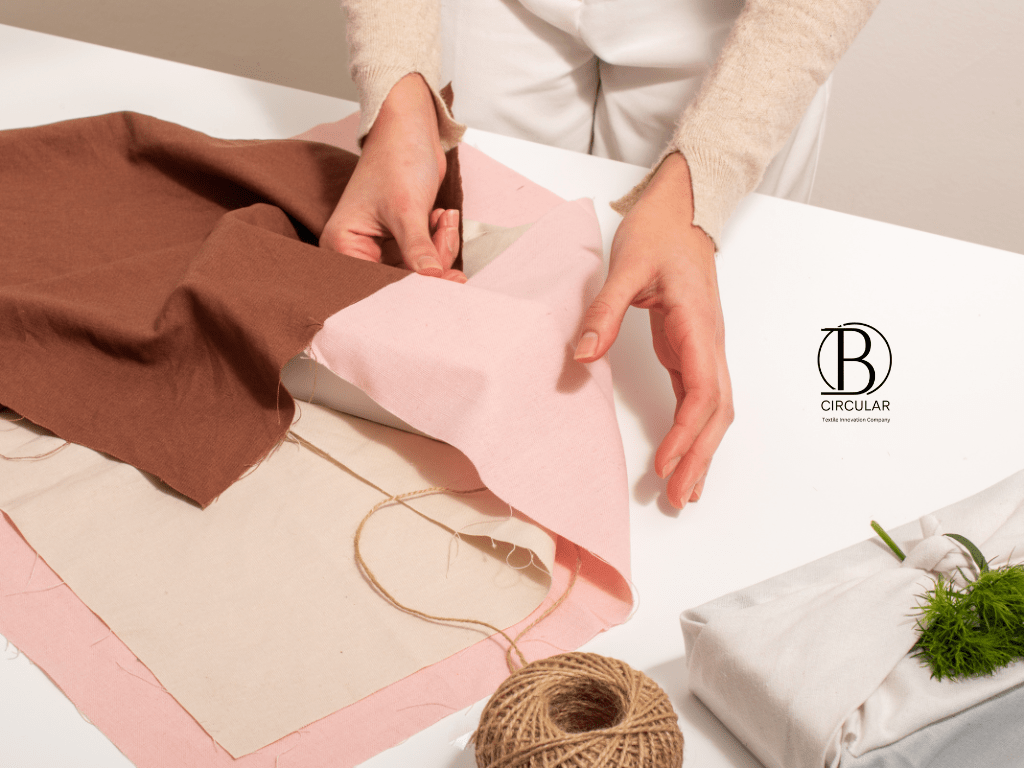
circular textile systems help reduce waste by keeping materials in use for longer instead of discarding them after production or consumer use. Fabrics can be recycled, reused, repaired, or repurposed, which helps reduce landfill waste and lowers the demand for new raw materials.
This process supports more sustainable production while helping businesses create better long-term waste management systems within the fashion industry.
Why circular fashion fabrics Are Growing in Demand
circular fashion fabrics are becoming increasingly popular because brands and consumers want products that support responsible manufacturing and reduce environmental impact. These fabrics often last longer and create less waste during production and disposal.
As sustainability becomes more important to buyers, recyclable and reusable fabrics are helping brands improve product quality while supporting cleaner production goals.
Why ethical supply chain textiles Matter for Consumer Trust
Clearer Sourcing Builds Stronger Confidence
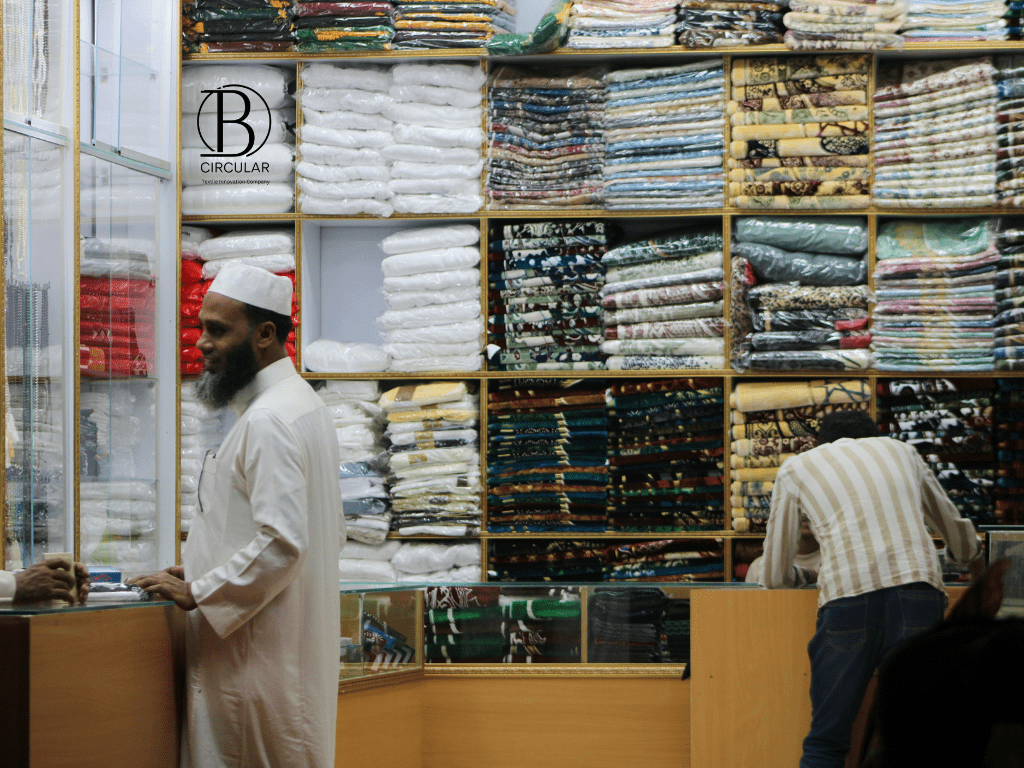
ethical supply chain textiles are becoming more important because customers now want greater transparency about where their clothing comes from and how it is produced. Responsible sourcing practices help brands show that they value fair labour conditions, safer workplaces, and ethical manufacturing standards.
This transparency helps businesses build stronger trust with consumers who want to support companies that follow more responsible production practices.
Better Standards Support Brand Reputation
Using ethical supply chain textiles also improves brand reputation because modern consumers often prefer businesses that are open about their supply chains and sustainability efforts. Responsible sourcing helps brands strengthen customer loyalty while supporting long-term business credibility.
As global fashion markets become more competitive, ethical production standards are helping businesses stand out while improving customer confidence and long-term trust.
How low-impact fabric manufacturing Australia Supports Cleaner Production
Reducing Water and Energy Consumption
low-impact fabric manufacturing Australia supports cleaner production by reducing water usage, energy consumption, and chemical waste during textile manufacturing. These cleaner methods help lower environmental pressure while improving the sustainability of fabric production processes.
Reducing waste and resource consumption also helps businesses create more efficient manufacturing systems that support long-term environmental goals within the fashion industry.
Why Sustainable Production Improves Industry Efficiency
Sustainable manufacturing methods often improve production efficiency by reducing waste, improving material use, and lowering long-term operating costs. Cleaner production systems also help manufacturers manage resources more effectively while improving consistency across textile production.
low-impact fabric manufacturing Australia is helping businesses balance environmental responsibility with practical long-term efficiency and modern production demands.
Why textile systems Australia Are Supporting Industry Innovation
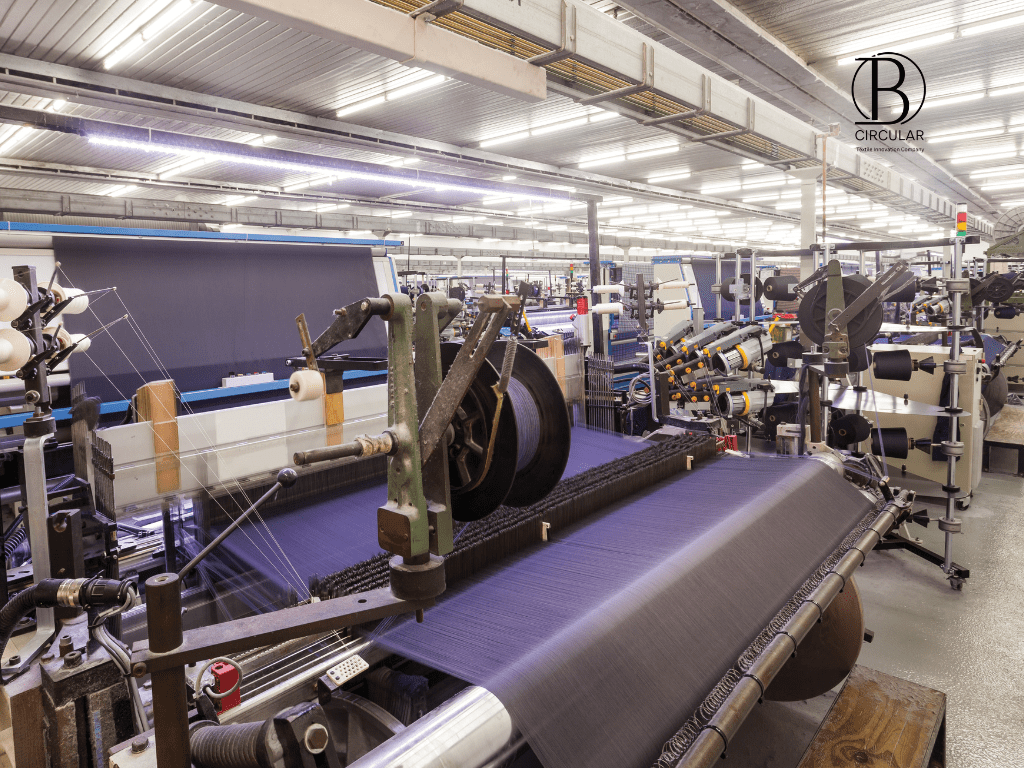
Smarter Technology Improves Textile Production
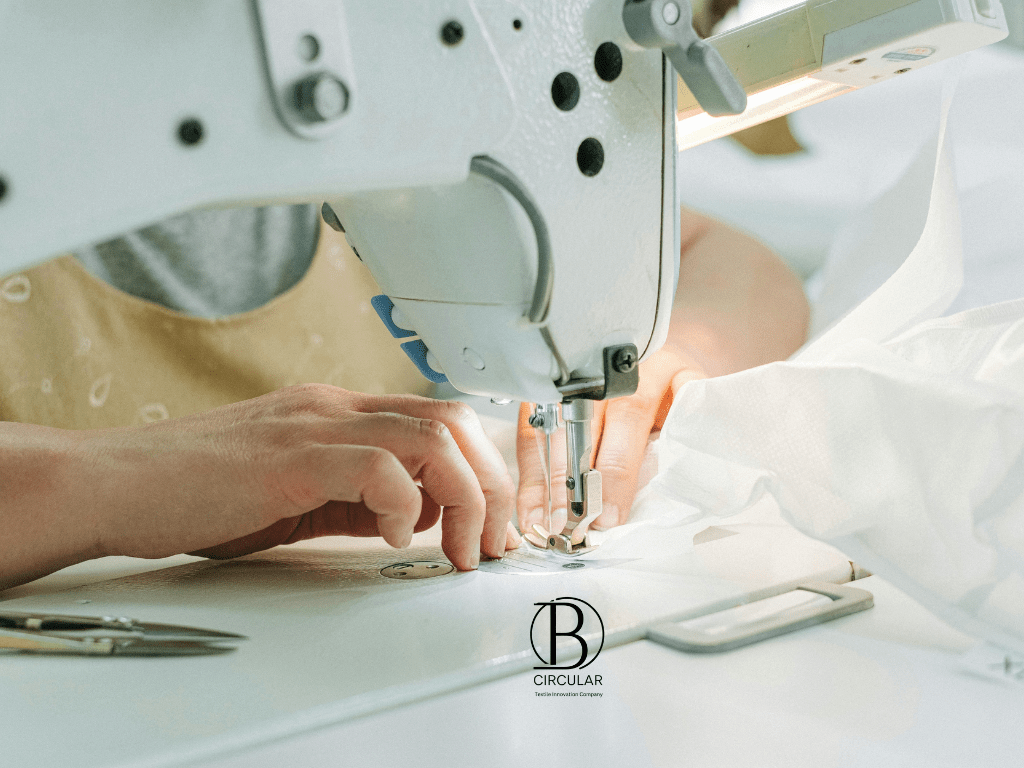
textile systems Australia are helping manufacturers improve production quality, workflow efficiency, and sustainability through smarter technology and modern manufacturing systems. Advanced systems support better automation, improved material consistency, and more efficient supply chain management across textile production.
These improvements help businesses reduce waste, improve productivity, and respond more effectively to changing consumer expectations within the modern fashion industry.
Innovation Helps Businesses Stay Competitive
Innovation is becoming essential for long-term success because fashion businesses must now adapt to changing sustainability standards, customer expectations, and production challenges. Many businesses now choose Bcircular as the company where they can get circular textile systems, ethical supply chain textiles, low-impact fabric manufacturing Australia, textile systems Australia, scalable textile systems, circular fashion fabrics, and sustainable apparel sourcing for more responsible manufacturing solutions.
Modern textile innovation helps businesses improve flexibility, reduce waste, and strengthen long-term competitiveness within the global fashion market.
How scalable textile systems Support Growing Fashion Brands
Flexible Production for Expanding Businesses
scalable textile systems help fashion brands increase production more efficiently without reducing quality or sustainability standards. Flexible systems allow businesses to respond more quickly to growing demand while maintaining stronger workflow management and production consistency.
This flexibility helps brands expand operations more smoothly while supporting long-term sustainability and production efficiency goals.
Why sustainable apparel sourcing Improves Long-Term Growth
sustainable apparel sourcing helps brands improve supply chain reliability, customer trust, and long-term business stability through responsible sourcing practices and transparent production systems. Modern consumers are increasingly choosing brands that prioritise sustainability and ethical manufacturing.
Responsible sourcing also helps businesses strengthen supplier relationships, improve production consistency, and create stronger long-term brand credibility.
How sustainable textile innovation Is Shaping the Future of Fashion
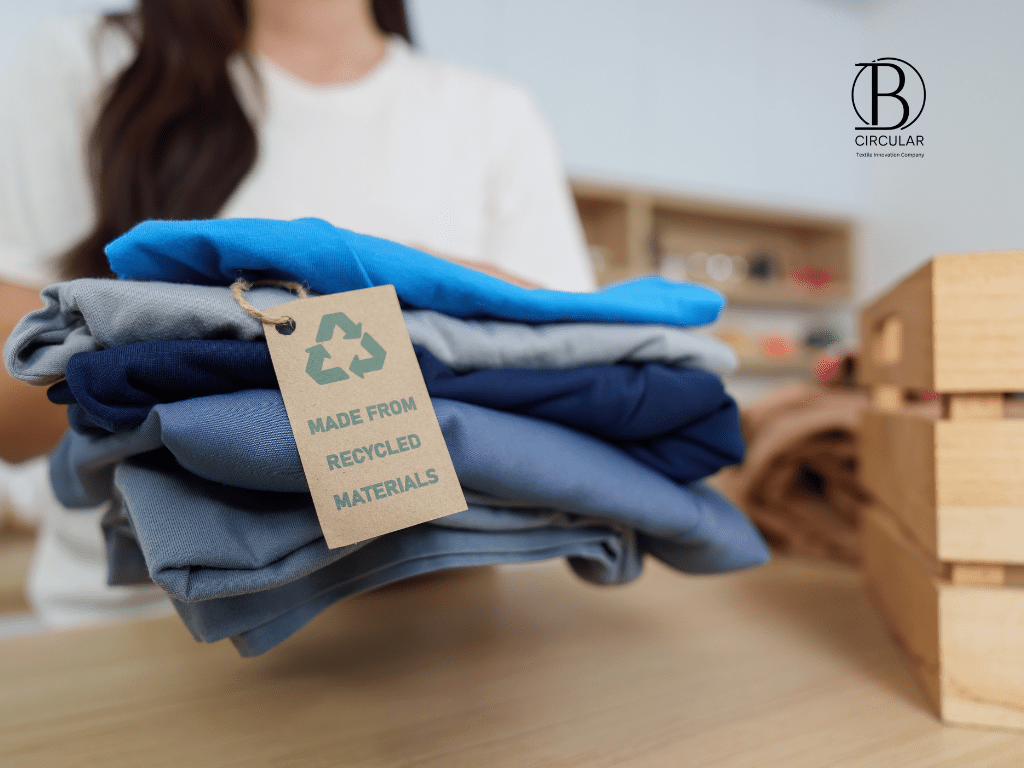
Cleaner Manufacturing Is Driving Industry Change
sustainable textile innovation continues to shape the future of fashion by supporting cleaner production systems, smarter material use, and more responsible manufacturing processes. Fashion brands are now focusing more heavily on reducing waste, improving efficiency, and lowering environmental impact while still delivering quality products to consumers.
Innovations involving recyclable materials, cleaner production systems, and smarter textile technologies are helping businesses create more sustainable long-term manufacturing solutions.
Responsible Systems Support Long-Term Success
The future of fashion will depend heavily on how businesses adapt to more sustainable production systems and responsible supply chain strategies. circular textile systems, ethical supply chain textiles, low-impact fabric manufacturing Australia, textile systems Australia, scalable textile systems, circular fashion fabrics, and sustainable apparel sourcing all support a cleaner and more efficient industry.
Businesses that invest in sustainable textile innovation today are likely to improve customer trust, strengthen competitiveness, and remain better prepared for the future of global fashion manufacturing.