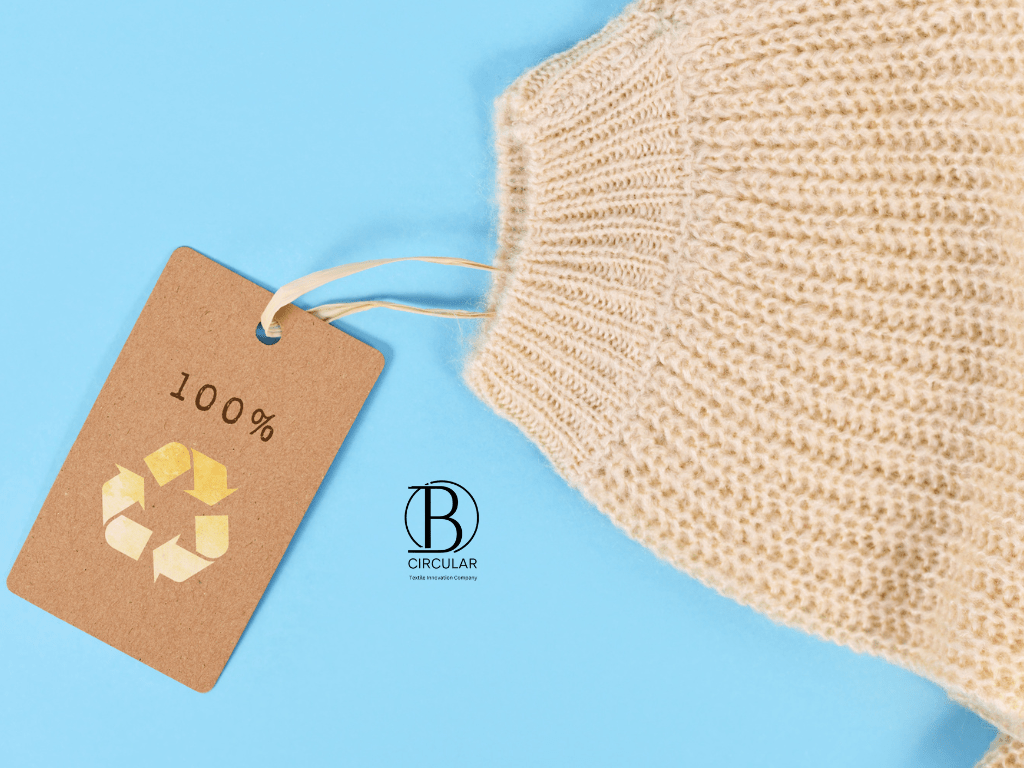
A transparent textile supply chain Australia focuses on honesty, visibility, and responsibility at every step of making fabric and clothing. It means you can trace where the fibre came from, how it was processed, who made it, and how it finally reached the customer. Instead of keeping production hidden, transparency helps everyone understand what goes into the products we wear every day. It also lets brands show proof of their sustainability claims, instead of asking people to trust them without information.
In simple terms, a transparent textile supply chain gives you a clear view of the journey from raw cotton, wool, or recycled material all the way to the finished garment. And with more Australians caring about ethics and the environment, transparency is quickly becoming a must.
Why transparency matters in textiles

From farmer to factory to fashion shelf
Every fabric goes through many hands before it becomes clothing. That includes farmers, spinners, dyers, factory workers, designers, and transport teams. With so many steps, it’s easy for things to go wrong if no one is checking.
A transparent supply chain makes these steps visible. It gives brands and buyers the confidence that their textiles are produced fairly and responsibly.
How transparency helps everyone
Transparency supports both people and the planet. Here are a few simple but important benefits:
- Helps prevent unfair labour and unsafe conditions
- Reduces the risk of pollution and waste
- Improves communication between suppliers and brands
- Builds better trust with customers
This is why the demand for a transparent textile supply chain Australia-wide has grown so quickly. People want honesty, not hidden practices.
Ethical textile sourcing Australia: building a fairer industry
When we talk about ethical textile sourcing Australia, we’re talking about choosing fabric suppliers and manufacturers who follow fair and responsible practices. This includes everything from how materials are grown to how workers are treated.
Ethical sourcing checks things like:
- Are the workers treated fairly and paid properly
- Is the environment protected
- Are chemicals used safely
- Are materials responsibly grown or recycled
More Australian brands are now moving toward ethical textile sourcing because customers expect more than just a nice-looking garment. They want to know that no harm was done along the way. For businesses, going ethical isn’t just good for the planet. It builds loyalty and helps brands stand out in a crowded market. In a world where shoppers care about sustainability, ethics is now a strong selling point.
scalable eco fabrics manufacturing: growing with purpose
Can eco be affordable and scalable?
A common myth is that eco-friendly fabric production is too slow or too expensive to scale. But modern scalable eco fabrics manufacturing shows that sustainable production can grow without losing quality.
Eco fabrics can now be made in larger volumes thanks to better technology, improved material sourcing, and smarter processes. This means brands can offer responsible products at fair prices.
Why it’s worth investing in
There are many long-term benefits to choosing scalable eco fabrics manufacturing:
- Reduces pressure on natural resources
- Lowers energy and water usage
- Supports ethical and green businesses
- Meets the growing demand for sustainable clothing
As more Australian brands shift toward sustainability, scalable production helps them grow without compromising their values.
Circular textiles for apparel brands: closing the loop
One of the most exciting shifts in the industry is the move toward circular textiles for apparel brands. Instead of making clothes that end up in landfill, circular systems aim to reuse, recycle, or return materials safely to the earth.
In a transparent textile supply chain Australia-wide, this matters a lot. Why? Because it proves where your materials go after the product is made—not just before. That means a shirt, for example, doesn’t just disappear into landfill. Instead, the brand can show it was made from recycled fibre and can be recycled again.
Circular thinking encourages:
- Designing clothes to last longer
- Using materials that can be repurposed
- Making recycling or take-back programs easy for customers
This way, brands reduce waste and take full responsibility for their product’s entire life cycle.
Circular fashion fabrics: what makes them different?
Not all fabrics are created equal
While traditional fabrics might look good, they often don’t last long—or worse, they create microplastic pollution or waste. Circular fashion fabrics are different. They’re designed from the beginning with sustainability in mind.
These fabrics might include:
- Natural fibres that break down safely
- Recycled materials that reduce demand for new production
- Closed-loop fabrics that are reused in new garments
Why circular fabrics matter to Australian fashion
Australians are becoming more conscious of what their clothes are made from. By choosing circular fashion fabrics, brands meet that demand and help protect the environment. They’re part of a growing movement that fits perfectly into a transparent textile supply chain Australia model—because every fibre has a traceable, ethical purpose.
organic cotton stretch fabric Australia: sustainable and comfortable
Comfort and sustainability don’t have to compete. Organic cotton stretch fabric Australia is a great example of a textile that supports both. It’s soft, breathable, and ideal for basics, loungewear, and kids’ clothes—without relying on harsh chemicals or synthetic fibres.
Unlike regular cotton, organic cotton is grown:
- Without toxic pesticides
- Using less water
- With healthier soil practices
The stretch comes from blends that still prioritise responsible sourcing. When grown and produced in ethical conditions, it fits beautifully into a transparent supply chain. For Australian brands, using organic cotton stretch fabric Australia helps reduce their environmental footprint while supporting local or certified growers. It’s a smart choice for brands looking to stand out with both comfort and conscience.
Final thoughts: why transparency builds better fashion
At the end of the day, a transparent textile supply chain Australia is more than just good practice—it’s becoming the new standard. Customers want to know more about their clothes. Brands want to do better. And the planet needs long-term solutions.
Whether you’re a clothing label, fabric supplier, or conscious shopper, choosing things like:
- ethical textile sourcing Australia
- scalable eco fabrics manufacturing
- circular textiles for apparel brands
- and organic cotton stretch fabric Australia
can help shift the entire industry toward something better. Transparency doesn’t mean being perfect—it means being honest, accountable, and always improving. And that’s something we can all feel good about.