
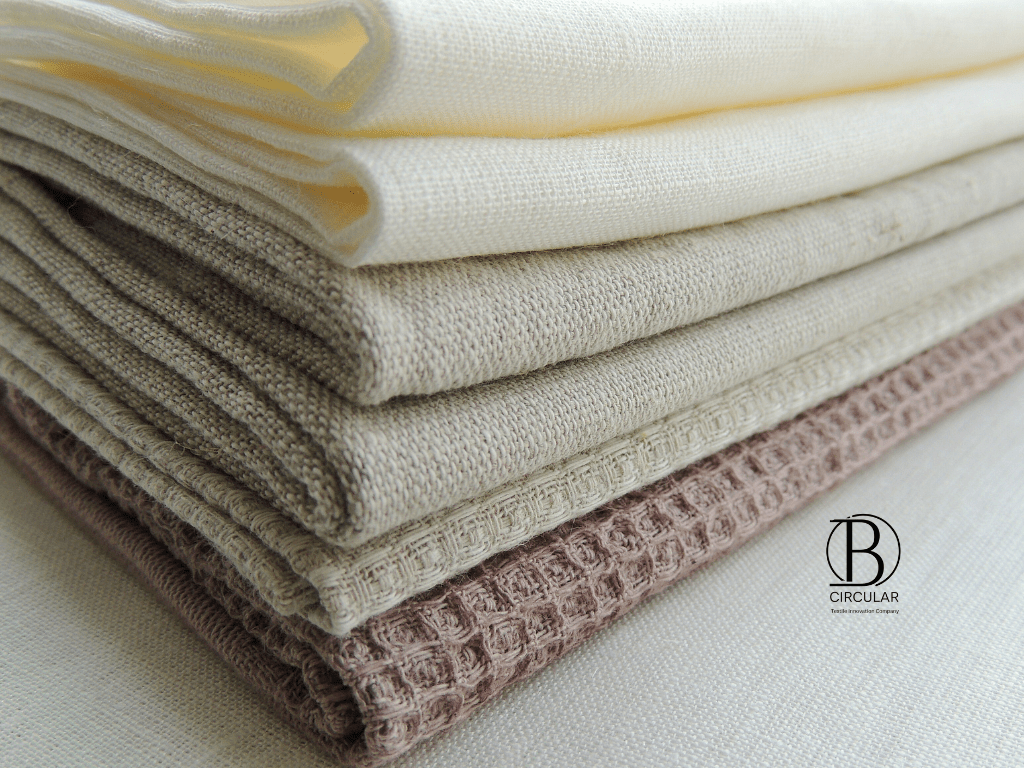
If you’ve ever slipped into a t-shirt that felt like a soft hug but still moved with you, chances are it was made from organic cotton stretch fabric Australia. This fabric is fast becoming a favourite in sustainable fashion — and it’s easy to see why. Organic cotton is grown without harsh chemicals, which is better for the environment and safer for farmers. The “stretch” part usually comes from a small blend of elastic fibres or smart weaving techniques. Together, they offer softness, breathability and a bit of give — ideal for everyday wear like leggings, tees, underwear, or baby clothing.
Brands across Australia are choosing organic cotton stretch fabric Australia because it ticks several boxes:
- It’s kind to the skin
- It suits an active lifestyle
- It’s made using more environmentally responsible practices
But on its own, cotton can lack durability over time — and that’s where hemp comes in.
Blending Strength and Comfort with hemp blended fibre textiles
How Hemp Improves Fabric Durability Naturally
Hemp is one of the strongest natural fibres on the planet. It grows quickly, doesn’t need pesticides, and even returns nutrients to the soil. So when brands blend it with organic cotton, they’re getting the best of both worlds: softness from cotton, and toughness from hemp.
This is where hemp blended fibre textiles shine. They create clothing that lasts longer, holds shape better, and resists wear — all without relying on synthetic fibres. For everyday consumers, that means fewer wardrobe replacements. For the planet, it means less textile waste.
The Ideal Mix: Organic Cotton for Softness, Hemp for Strength
Not all blends are the same, but many use a ratio like 60% organic cotton and 40% hemp. This combo offers:
- Soft, breathable feel
- Long-lasting wear
- Natural look and drape
- Reduced environmental impact
Many Australian designers now choose hemp blended fibre textiles when they want to offer comfortable, high-performance clothing that supports both people and the planet.
Creating circular textiles for apparel brands with blended fabrics

For brands looking to create more sustainable collections, one of the biggest goals is circularity — making products that can be reused, remade or recycled instead of thrown away. That’s why circular textiles for apparel brands are such a hot topic. Blended fabrics like hemp and organic cotton are ideal here. They can often be composted or broken down more easily than polyester-heavy blends, especially if they avoid synthetic dyes or treatments.
When a garment is made from natural, low-impact materials, it has a better chance of entering a circular system. Whether it’s returned for recycling, sold second-hand, or eventually biodegrades — it avoids landfill. Brands that work with circular textiles for apparel brands are not just offering great clothes. They’re building smarter systems from the inside out.
How an eco fabric traceability platform Supports Transparency
What Traceability Means in Sustainable Fashion
More and more shoppers want to know: Where was this fabric made? Who made it? What impact did it have on the planet? That’s where an eco fabric traceability platform comes in. This kind of platform tracks the journey of textiles from farm to factory to final product. It gives brands, retailers and buyers clear insights into how and where materials are sourced, processed and transported.
For example, when a t-shirt is made from organic cotton stretch fabric Australia, a traceability platform can show:
- The exact cotton farm it came from
- Whether ethical practices were followed
- If the fabric was dyed using low-impact methods
It’s like a digital passport for every garment, helping businesses stay transparent and accountable — and helping customers make more informed choices.
Keeping Consumers Informed and Brands Accountable
Using an eco fabric traceability platform isn’t just about ticking boxes. It builds trust. When people know their clothes are made with integrity, they’re more likely to support those brands. And for fashion labels, this kind of visibility makes it easier to back up sustainability claims — no greenwashing needed.
Ethical supply chain textiles: From Farm to Fashion
Creating truly ethical fashion means every step in the supply chain matters. From how crops are grown to how workers are treated, ethical supply chain textiles ensure people and planet are respected from start to finish.
In Australia, more brands are choosing to partner with certified farms, local mills, and responsible factories. They’re asking better questions and demanding higher standards, like:
- Farming practices organic and regenerative?
- Factory workers paid fairly and working in safe conditions?
- Transport methods reducing carbon where possible?
With this approach, ethical supply chain textiles don’t just create better clothes — they support healthier communities and cleaner systems.
Responsible fibre solutions for fashion: What to Look For
Certifications and Labels That Actually Matter
When choosing fabrics for your brand or wardrobe, it helps to look for trusted signs of quality. Some common certifications behind responsible fibre solutions for fashion include:
- GOTS (Global Organic Textile Standard)
- OEKO-TEX Standard 100
- Fairtrade Certified
- BCI (Better Cotton Initiative)
These labels help confirm the fibre was grown and processed with less harm to people or nature. But don’t stop at the tags — dig a little deeper when you can.
Choosing Fabrics That Support a Cleaner Future
If you’re looking to make more ethical fashion choices, here are some easy things to keep in mind:
- Choose natural blends like hemp and organic cotton over polyester mixes
- Look for Australian-made fabrics to reduce transport impact
- Support brands that use traceability tools and talk openly about sourcing
- Buy less, but better — quality fabrics last longer and feel better too
In the end, responsible fibre solutions for fashion aren’t just a trend. They’re a shift towards a more thoughtful, future-ready clothing industry — and it all starts with fabric choices.

