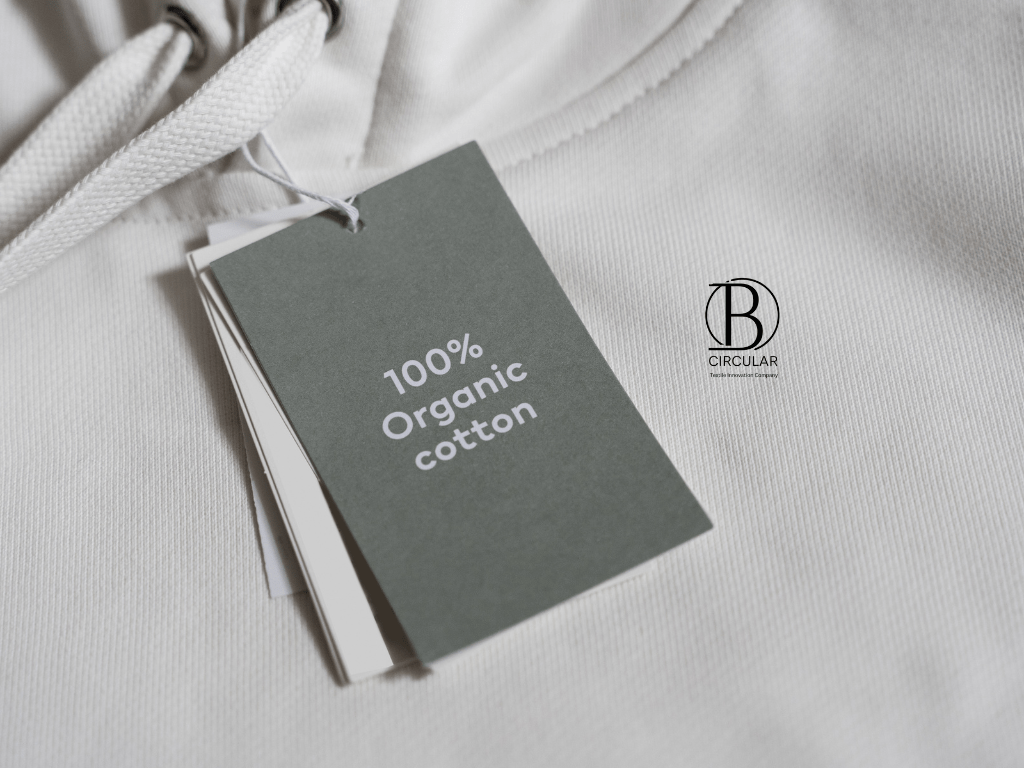
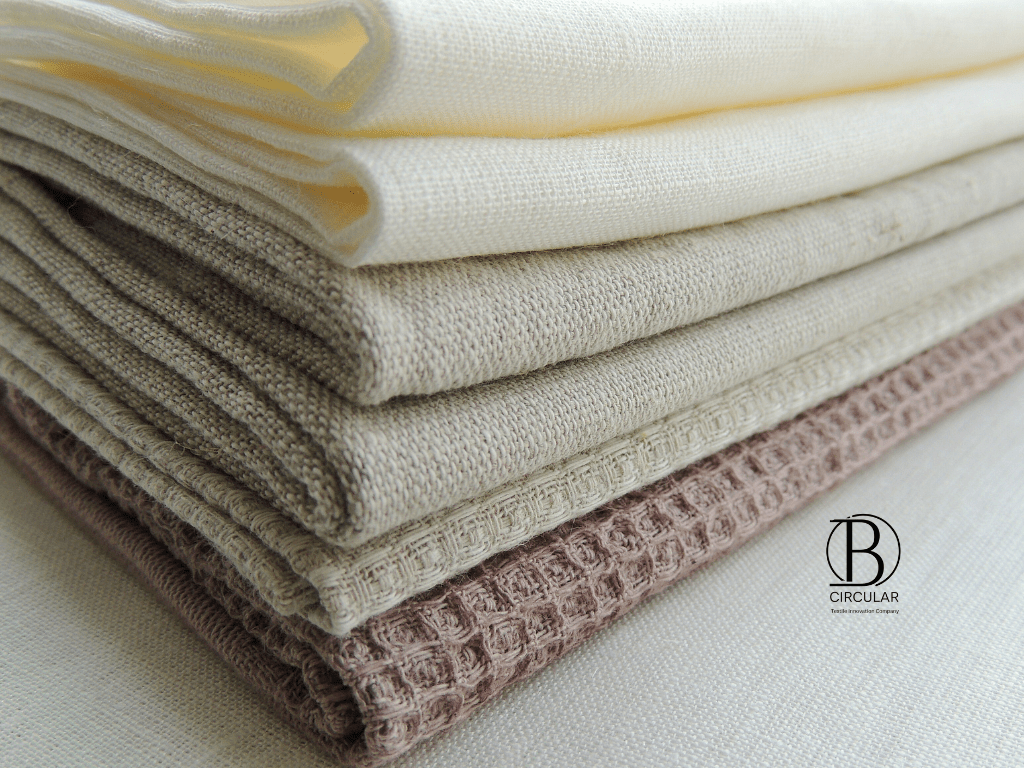
Activewear in Australia is changing. People want clothing that feels good, moves well, and has a lower impact on the planet. That’s why organic cotton stretch fabric Australia is becoming a popular choice for yoga wear, gym tops, leggings, and everyday comfort pieces. This fabric is known for being soft, breathable, and gentle on the skin. It stretches naturally, which makes it great for movement-based activities. Unlike synthetic fabrics, it doesn’t trap heat or leave you feeling sticky during long sessions.
Australian brands are also moving toward more sustainable choices, and organic cotton blends fit well into that shift. They help reduce chemical use, support better farming practices, and offer a cleaner alternative to traditional activewear materials. Because organic cotton stretch fabric Australia works well in both low‑impact and moderate‑movement activities, more local designers are using it for leisurewear, pilates clothing, athleisure sets, and travel outfits.
Performance Meets Comfort with circular fashion fabrics
Why Activewear Needs to Stretch and Breathe
Good activewear needs two things: stretch and comfort. This is where circular fashion fabrics come in. These fabrics are designed with movement and breathability in mind. They work well during workouts because they keep you cool while allowing easy motion.
Circular fashion fabrics also support the idea of recycling, reusing, and designing clothing with long‑term use in mind. When activewear lasts longer, fewer garments end up in landfill. That’s a win for both users and the environment.
The Role of Stretch in Supporting Fit and Movement
Stretch plays a major role in how activewear feels. It helps clothing move with your body rather than against it. With the right blend, this creates a fit that stays comfortable even during long sessions. Many circular fashion fabrics combine softness with long‑lasting elasticity. This means your clothes don’t sag or twist out of shape. Instead,
they keep their form while still being easy to wear. Using circular fabrics also helps brands reduce waste, since the materials are designed for repeated use and longer product life. It’s a smarter way to make clothing that holds up well over time.
Blending Function and Sustainability with hemp blended fibre textiles
Not all activewear needs to rely on synthetic fibres. In fact, hemp blended fibre textiles are becoming a powerful option for sustainable performance wear in Australia. Hemp brings natural strength, breathability, and a cooling feel, which makes it perfect for warm climates and active days.
When hemp is blended with cotton or other natural fibres, it creates fabric that handles movement well while still keeping a soft texture. It also has natural anti‑odour qualities, which is a big plus for active pieces that get worn and washed often.
Hemp blended fibre textiles are popular because:
- IT can last longer than many standard fibres
- They get softer with every wash
- They stay breathable even in humid weather
For brands focused on reducing environmental impact, hemp blends offer a balance of performance and sustainability. They’re practical, comfortable, and ideal for people who want natural fibres in their activewear.
How scalable eco fabrics manufacturing Makes Activewear More Accessible
Making Sustainable Fabrics Available for Everyone
One of the biggest challenges in sustainable fashion is cost. Many people assume eco-friendly options are too expensive. But thanks to scalable eco fabrics manufacturing, that’s starting to change. By increasing production efficiency, manufacturers can offer fabrics like organic cotton stretch fabric Australia at more affordable prices. This means more brands — and eventually more consumers — can enjoy the benefits of sustainable activewear without breaking the bank.
Scalability also allows fabric makers to meet growing demand. Whether it’s for a small Aussie label or a national chain, having more access to sustainable material helps everyone move in the right direction.
Helping Local Designers and Larger Brands Alike
With scalable production in place, it’s not just the big names that benefit. Small brands, independent designers, and emerging makers now have a better chance to compete using high-quality eco fabrics. Some suppliers offer bulk fabric runs, while others provide lower minimum order quantities to support smaller makers. This flexibility encourages innovation while still staying true to sustainability goals.
Why ethical textile sourcing Australia Is Changing the Game
As people become more conscious of where their clothes come from, ethical textile sourcing Australia is playing a larger role in how brands choose materials. Ethical sourcing means more than just picking good fabrics. It’s about making sure the entire supply chain — from cotton farms to sewing rooms — treats people fairly and works with care for the environment.
For activewear specifically, this means:
- Choosing low-impact dyes
- Paying workers fairly across all steps
- Reducing water and chemical usage
- Avoiding harmful treatments on fabrics
When a brand says it uses ethical textile sourcing Australia, you can feel confident it’s doing more than just ticking boxes. It’s building quality and care into each piece.
Exploring the Role of hemp‑based textiles Australia in Active Clothing
Strong, Breathable, and Surprisingly Soft
Another standout option for activewear is hemp‑based textiles Australia. While hemp has a reputation for being rugged, modern processing techniques have made it incredibly soft and wearable — even in performance settings. Hemp is known for being breathable, naturally odour-resistant, and fast drying.
These traits are perfect for people who stay active or live in warmer climates. It also offers UV protection and helps regulate body temperature. Blending hemp with other fibres like organic cotton creates a balanced fabric that’s durable, flexible, and gentle on the skin — ideal for leggings, tanks, and relaxed-fit tops.
Better for You, Better for the Planet
From an environmental view, hemp‑based textiles Australia use less water than cotton, grow quickly without pesticides, and improve soil health. It’s one of the most sustainable fibres available today. By including hemp in activewear, brands make a clear choice to support both performance and environmental wellbeing — and that’s exactly what more Aussie consumers are looking for.