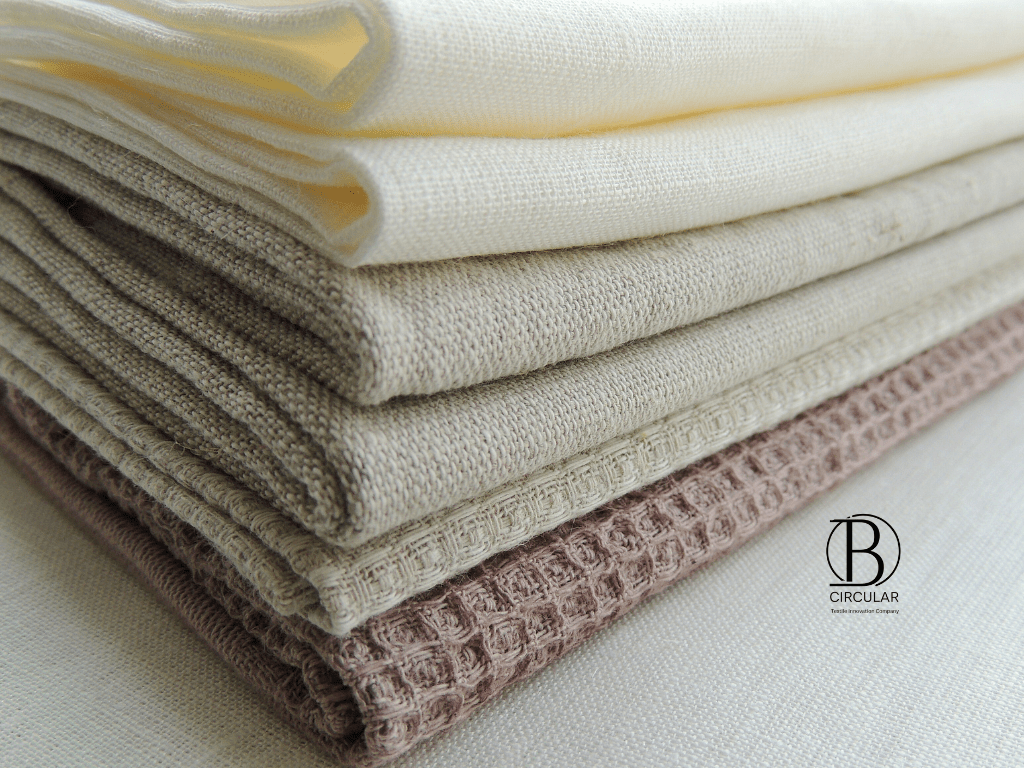
From idea to fabric
The journey of sustainable activewear fabrics begins with careful planning. A sustainable activewear fabric supplier does not start with machines or factories. It starts with intention. Decisions are made early about how the fabric should perform, how it should feel, and how it should impact the environment.
Suppliers look at the full lifecycle of the fabric. This includes how materials are sourced, how they are processed, and how waste is managed. By planning ahead, suppliers reduce unnecessary steps and avoid waste before production even begins.
Environmental focus
Environmental care guides every stage of production. Energy use, water consumption, and emissions are carefully monitored. Many suppliers aim to lower water use and choose cleaner energy sources where possible.
This focus ensures fabrics are not only functional but also responsible. Performance and sustainability are treated as equal priorities, not competing goals.
Where Raw Materials for sustainable fabrics Come From
Responsible sourcing
Sustainable fabrics begin with responsible raw materials. These may include natural fibres, recycled materials, or low-impact alternatives. Suppliers choose sources that avoid harmful farming or extraction practices.
This approach supports healthier ecosystems and fairer supply chains. It also reduces reliance on materials that cause long-term environmental damage.
Lower impact choices
Lower impact materials require less water, fewer chemicals, and less energy to produce. This reduces pollution and resource strain.
By starting with better materials, sustainable fabrics maintain performance while lowering their environmental footprint. The result is fabric that supports both people and the planet.
Turning Natural Fibres into hemp blended fibre textiles

Blending for balance
Hemp blended fibre textiles are created by combining hemp with other fibres to balance performance and comfort. Hemp adds strength and durability, while other fibres improve softness and stretch.
This blending process allows fabrics to meet the movement and comfort needs of activewear without relying on heavy synthetic use.
Why hemp works well
Hemp is naturally breathable and strong. It resists wear and holds its shape well over time. These qualities make it ideal for garments that move and stretch regularly.
Hemp also grows with minimal water and fewer chemicals, making it a strong choice for sustainable production.
Why hemp-based textiles Australia Are Gaining Popularity
Climate, performance, and sustainability benefits
Hemp-based textiles Australia are well suited to local conditions. They perform well in warm climates and allow airflow during activity. This keeps wearers comfortable during exercise or daily movement.
The durability of hemp also supports long-lasting garments, reducing the need for frequent replacement.
Growing demand
Australian brands are increasingly choosing hemp for its environmental benefits and performance qualities. As awareness grows, demand continues to rise.
This shift supports more responsible manufacturing and encourages wider adoption of sustainable materials.
How Production Methods Support scalable eco fabrics manufacturing

Designed for growth
Scalable eco fabrics manufacturing focuses on systems that can grow without increasing environmental harm. Production methods are designed to be efficient, repeatable, and responsible. This allows suppliers to meet higher demand while maintaining strong sustainability standards.
In this space, bcircular plays a key role as a recycling waste composite company where you can find carbon fibers, composites, glass fiber, circular textiles for apparel brands, circular fashion fabrics, an eco fabric traceability platform, ethical supply chain textiles, hemp blended fibre textiles, and sustainable textile innovation.
Consistent results
Consistency is essential when scaling production. Processes are carefully monitored to ensure fabrics remain reliable across larger volumes.
This consistency helps brands plan collections and expand with confidence, knowing quality and sustainability will remain aligned.
How Quality Is Maintained in sustainable fabrics Production
Strength, stretch, and comfort checks
Quality checks are built into every stage of production. Sustainable fabrics are tested for strength, stretch, and comfort to ensure they meet activewear needs.
These tests confirm that sustainability does not come at the cost of performance.
Consistent performance
Regular testing helps maintain consistency across batches. This prevents variation and protects brand trust.
Reliable performance supports long-term use and customer satisfaction.
Why Transparency Matters When Choosing a sustainable activewear fabric supplier

Clear processes build trust
Transparency helps brands understand how fabrics are made. A sustainable activewear fabric supplier that shares its process builds confidence and trust.
Clear communication allows brands to make informed decisions and communicate honestly with their customers.
Long-term value
Transparency supports long-term partnerships. It helps brands align values, meet expectations, and plan future growth responsibly.
This openness creates value beyond the fabric itself and strengthens the entire supply chain.